
Guide · Updated 2026-03-17
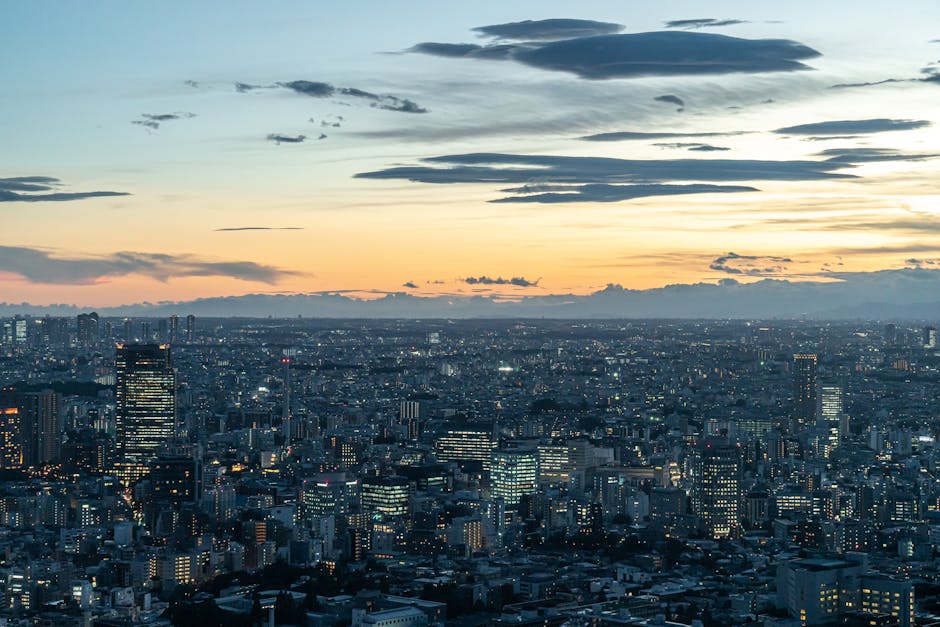
Where to stay in Tokyo depends on how you like to travel and how you want to spend your time on the ground. Shinjuku suits first‑time visitors who want late‑running trains, big department stores, and nightlife clustered around one station, so it works well if you plan to explore multiple districts each day. Shibuya appeals to younger travelers and shoppers, with its famous scramble crossing and dense side streets full of small bars and fashion boutiques. Asakusa feels more traditional, centered on Sensoji Temple and low‑rise streets, and it is ideal if you prefer quieter evenings and easy access to Tokyo Skytree. This guide compares the best areas for different travel styles, outlines realistic hotel prices from $50 to $500 per night, explains how seasons affect rates and availability, and gives concrete booking strategies plus links to flights to Tokyo. It also highlights flexible payment options such as cryptocurrency and installment payments on Travorio.
Search Hotels in TokyoTokyo at a Glance
| Country | Japan |
| Timezone | JST |
| Best Months | Mar,Apr,Oct,Nov |
| Peak Season | Jul,Aug,Dec |
| Visa | visa-free |
| Nearest Airport | NRT |
| Airport Distance | 60 km |
Hotel Prices in Tokyo
| Budget (2-3★) | $50/night |
| Mid-Range (3-4★) | $150/night |
| Luxury (4-5★) | $500/night |
| Cheapest Month | January |
| Crypto Discount | Up to 5% off |
Hotel prices in Tokyo often drop in January because the New Year holidays end by the first week, domestic travel slows, and cold, dry weather reduces international leisure demand. Business travel also pauses after year end, so occupancy falls and hotels cut rates to fill rooms. Central areas like Shinjuku and Shibuya typically show noticeable dips. For better value, target Tuesday to Thursday stays and check rates two to three weeks before arrival for competitive midrange and business hotels.
Best Neighborhoods to Stay in Tokyo
| Best Areas in Tokyo | ||
|---|---|---|
| Area | Best For | Price Level |
| Shinjuku | First time visitors who want a central base with dense nightlife, shopping, and easy JR connections | $$ |
| Shibuya | Young travelers focused on fashion, cafes, and trend-driven nightlife around the Scramble Crossing | $$$ |
| Asakusa | Cultural travelers who want classic Tokyo around Sensoji, traditional streets, and quieter evenings | $ |
| Ginza | Luxe shoppers and business travelers who want high-end boutiques, fine dining, and refined hotels | $$$ |
| Roppongi | Nightlife focused travelers who want late bars, clubs, and easy access to art museums and Tokyo Tower | $$$ |
Shinjuku and Shibuya suit different types of Tokyo trips. Shinjuku works better for first timers who want a transport hub and variety. Shinjuku Station connects JR Yamanote, Chuo Line, Narita Express, and multiple subway lines, so day trips to places like Takao or Yokohama stay simple. Around Kabukicho and Omoide Yokocho you get dense nightlife, but you can also walk to calmer hotel pockets near Shinjuku Gyoen. Shibuya feels tighter and younger, centered on the Scramble Crossing and Hachiko Exit. It fits travelers who care more about style than convenience, with streets like Cat Street and Center Gai packed with boutiques, record stores, and late night izakaya.
Plan wider Japan travel at the official Japan National Tourism Organization.
Compare Hotels in TokyoBest Time to Visit Tokyo
| Best Months | Mar,Apr,Oct,Nov |
| Peak (Expensive) | Jul,Aug,Dec |
| Cheapest Month | January |
The most comfortable months in Tokyo are March, April, October, and November, when daytime highs usually sit around 15 to 22°C and humidity is manageable. Cherry blossom season typically peaks in late March to early April, with Ueno Park and Shinjuku Gyoen extremely crowded during the last week of March. Summer peaks in July and August, often 30 to 35°C with high humidity, and again in December for Christmas and New Year, pushing hotel rates sharply higher. Expect hotels in January, after New Year’s week, to be up to 30 percent cheaper than peak season, with noticeably thinner crowds.
Getting to Tokyo from the Airport
| Airport | NRT |
| Distance | 60 km from city center |
| Transfer Options | Narita Express 60 min or Limousine Bus 85 min. Haneda: monorail 15 min |
From Narita Airport to central Tokyo, the fastest option is the Narita Express to Tokyo Station, taking about 55 minutes and typically costing around ¥3,000 in standard class. The cheapest route is the Keisei Access Express to Asakusa or Nihombashi, about 70–80 minutes for roughly ¥1,300. Buy train tickets at the JR East or Keisei counters before entering the gates to avoid confusion. Check terminal transport details on the Narita International Airport official site.
Flights to Tokyo
Looking for flights? Check our route guides:
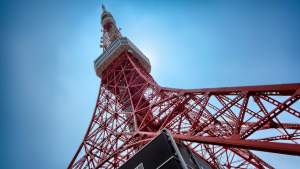
How Many Days in Tokyo?
For Tokyo, plan a minimum of 3 full days, with 5 to 7 days ideal to explore beyond the highlights. A quick 3 day stay covers core districts and key sights. Aim to see Sensoji Temple in Asakusa, the Shibuya Scramble Crossing and Hachiko statue, Meiji Shrine near Harajuku, and teamLab Planets for immersive digital art. Sample itinerary: Day 1: Asakusa, Sumida River area, Tokyo Skytree. Day 2: Meiji Shrine, Harajuku’s Takeshita Street, Omotesando, Shibuya at night. Day 3: Odaiba and teamLab Planets, then Tokyo Tower or Roppongi Hills. Check events happening in Tokyo to fine tune dates.
Is Tokyo Expensive?
Daily costs in Tokyo stay manageable with some planning. Expect to pay around $10 to $15 for an average meal at a mid-range restaurant, slightly less than similar spots in London or New York. A typical public transport day pass costs about $7, giving efficient access to most neighborhoods. Admission to Tokyo Skytree’s Tembo Deck is roughly $20, a fair price for the city views. Hotel rates range widely, from about $50 for basic business hotels to $500 for upscale properties. Booking these stays through Travorio with crypto can trim up to 5% off hotel costs, a useful saving on longer trips.
Who Should Stay in Tokyo
Tokyo is ideal for: couples,solo travelers,culture seekers,foodies.
- Couples: Stay in Daikanyama for quiet evenings along tree lined streets, then share a private open air soak at Spa LaQua in Bunkyo. The illuminated Tokyo Dome City skyline, low crowds, and late closing hours create a relaxed date night that feels distinctly local and intimate.
- Solo travelers: Base yourself in Kichijoji, exploring Inokashira Park at sunrise when joggers and dog walkers outnumber tourists. The compact alleys around Harmonica Yokocho offer tiny bars where owners chat with regulars, ideal for solo guests who enjoy conversation without loud, tourist focused nightlife.
- Culture seekers: Spend a full afternoon in Yanaka Ginza, one of the few districts where prewar streets survived. Wooden shopfronts sell incense, tea, and handmade brushes, and the nearby Yanaka Cemetery’s cherry lined paths show how Tokyoites blend everyday life with quiet, lived in history.
- Foodies: In Ningyocho, start with taiyaki at Yanagiya, then move between long running tempura counters and soba joints that still attract office workers. For a convenient base near these old school eateries, book your Tokyo hotel on Travorio and walk to dinner instead of riding packed trains.
Visa and Entry Requirements
| Visa Status | visa-free |
| Details | US citizens: 90 days visa-free |
Tokyo Accommodation and Travel FAQs
What is the best area to stay in Tokyo: Shinjuku, Shibuya, Asakusa, Ginza, or Roppongi?
Shinjuku suits first time visitors who want busy nightlife, major train connections, and a wide range of mid range hotels. Shibuya works well if you prefer a younger vibe, easy access to Harajuku and Omotesando, and plenty of shopping and cafes. Asakusa is better for a quieter base near Sensoji Temple, more traditional streets, and easier access to Tokyo Skytree. Ginza and Roppongi lean upscale, Ginza for luxury shopping and refined dining, Roppongi for late night bars, international restaurants, and easy access to Roppongi Hills and Tokyo Midtown.
How much do hotels in Tokyo typically cost per night from budget to luxury ranges?
In central areas like Shinjuku, Shibuya, and Asakusa, basic business hotels and some capsule style options can start around 50 to 80 US dollars per night. Mid range city hotels with private bathrooms, good transport access, and modern rooms often fall between 100 and 250 US dollars. Well located four star properties in Ginza or Roppongi usually sit in the 200 to 350 US dollar range. High end luxury hotels with skyline views, larger rooms, and extensive facilities can run from about 350 up to 500 US dollars per night or more during busy periods.
When is the best time to stay in Tokyo during March, April, October, and November?
March and early April are popular for cherry blossoms, with mild temperatures but higher hotel prices and heavier crowds in areas like Ueno Park and along the Meguro River. Late April can be calmer before Golden Week, although rates remain higher than winter. October brings comfortable weather, lower humidity, and more stable pricing compared with peak blossom season. November is ideal for autumn foliage in places such as Rikugien Garden and Meiji Jingu Gaien, and hotel demand is strong but usually more manageable than late March and early April.
Where can I find visa information for staying in Tokyo and how strict are the requirements?
Visa rules for Japan depend on your nationality, trip length, and purpose, so you should always confirm details with the official website of the Ministry of Foreign Affairs of Japan or your nearest Japanese embassy or consulate. Many travelers from countries with visa exemption agreements can stay in Tokyo for short tourism trips without applying in advance, typically for 15 to 90 days. If you need a visa, you may be asked to provide confirmed flights, proof of accommodation bookings, and evidence of sufficient funds. Requirements can change, so check the latest information just before booking your flights and hotels.
Is it possible to pay with crypto for hotels in Tokyo on Travorio and what other payment options are available?
Travorio is built around crypto powered travel bookings, so you can pay for many Tokyo stays using supported cryptocurrencies through the platform. In addition to crypto, Travorio typically accepts major credit and debit cards, giving you flexibility if you want to mix traditional and digital payment methods. You can choose hotels across areas like Shinjuku, Shibuya, Asakusa, Ginza, and Roppongi, then settle the bill in crypto at checkout when that option is available. Always review the payment section on the booking page, since supported coins, fees, and currency conversion details can vary by property and time of booking.