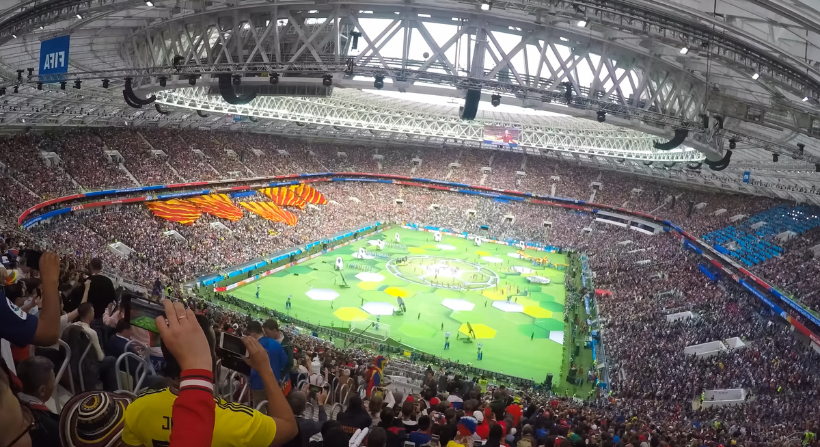

Attending a FIFA World Cup match is a dream for many fans. The FIFA World Cup 2026 will be one of the biggest sports events ever, with matches held across the United States, Canada, and Mexico. For first-time visitors and even returning fans, understanding matchday rules and entry tips is very important.
Knowing what to expect before match day helps you avoid stress, long lines, and last-minute problems. This guide explains the most important matchday rules, stadium entry tips, and simple advice to help you enjoy the FIFA World Cup safely and smoothly.
Why Matchday Rules are Important at the FIFA World Cup
The FIFA World Cup brings together millions of fans from around the world. Because of the large crowds, stadium rules are strict and carefully enforced. These rules are designed to keep everyone safe and make sure matches start on time.
Ignoring rules can lead to denied entry, long delays, or even removal from the stadium. Learning the basics before you arrive helps you focus on the match, the atmosphere, and the experience.
Important Matchday Rules
Below are listed some of the most important matchday rules you must know, especially if you’re a first-time visitor:
1. Stadium Entry Timing
One of the most common mistakes fans make is arriving too late. Entry gates usually open several hours before kickoff.
Important timing tips:
- Late arrival can mean missing the kickoff.
- Stadium gates often open 3 hours before the match.
- Security checks take time, especially for big matches.
- Public transport may be crowded close to match time.
Arriving early gives you time to find your seat, visit restrooms, and enjoy the stadium atmosphere without rushing.
2. Ticket Rules You Must Follow
Tickets for the FIFA World Cup are digital for most matches. Paper tickets are rarely used.
Key ticket rules include:
- Tickets must be purchased from official FIFA platforms.
- Tickets are linked to personal ID information.
- Screenshots of tickets may not be accepted.
- Each fan must carry their own ticket.
Always download your ticket in advance and keep your phone charged. Some stadiums may also allow printed ticket confirmations, but digital access is the main method.
3. Identity Checks at Stadiums
Security teams may check your identity before allowing entry. This is common during major international events.
What you should carry:
- Match ticket on your phone.
- Confirmation email if available.
- Valid passport or government ID.
The name on your ticket should match your ID. Mismatched details can cause delays or refusal of entry.
4. Items Allowed and Not Allowed Inside Stadiums
Each stadium follows FIFA safety rules, along with local laws. While rules may slightly vary by country, most restrictions are similar.
Commonly Allowed Items
- Small flags without poles
- Small personal bags
- Mobile phones
- Wallets
Commonly Banned Items
- Drones
- Large backpacks
- Glass containers
- Fireworks or flares
- Professional cameras
- Outside food and drinks
Always check stadium rules one day before the match. Rules are shared on official stadium websites and matchday emails.
5. Bag Size Rules and Clear Bag Policies
Many stadiums use bag size limits to speed up security checks. Some venues may also require clear bags.
General bag guidelines:
- Baby care bags may be allowed after checks.
- Small backpacks are often restricted.
- Clear plastic bags may be allowed.
- Medical bags need approval.
Carrying fewer items helps you pass through security faster.
6. Dress Code
There is no strict dress code, but comfort and safety matter.
Helpful clothing tips:
- Wear comfortable shoes.
- Dress for outdoor weather.
- Avoid clothing with offensive messages.
- Bring a light jacket if the matches are at night.
Weather conditions may change, especially in open stadiums. Check the local forecast before leaving your hotel.
7. Food and Drink Rules Inside Stadiums
Food and drinks are usually sold inside stadiums, but outside items are often restricted.
What to expect:
- Local food options.
- Long lines during halftime.
- Cashless payments in most stadiums.
- Limited alcohol sales depending on the country.
Eating before entering the stadium can save time and money.
8. Entry Rules for Fans with Special Needs
Stadiums are required to provide access for fans with disabilities.
Available support may include:
- Assistance staff
- Wheelchair seating
- Priority security lanes
- Accessible entrances
Fans should request special services when buying tickets or contact stadium support early.
9. Stadium Behavior and Fan Conduct
FIFA has strict rules on fan behavior to ensure a safe environment.
Rules to follow:
- No pitch invasion.
- Follow staff instructions.
- No violent or aggressive behavior.
- No hate speech or offensive chants.
Breaking these rules can lead to removal from the stadium or legal action.
10. Re-Entry Rules During Matches
In most stadiums, re-entry is not allowed once you leave.
Important to know:
- Leaving the stadium usually ends access.
- Smoking areas may be outside the gates.
- Emergency exits are not re-entry points.
Plan restroom and food visits before kickoff to avoid missing parts of the match.
11. After the Match Ends
Leaving the stadium takes time due to crowd flow.
What to expect:
- Slow exits
- Delayed taxis
- High-demand rides
- Busy transport stations
Waiting a short time after the match may reduce congestion.
Matchday Entry Checklist
Here is a simple table to help fans prepare before leaving for the stadium:
| Item | Why It Matters |
| Match Ticket | Required for entry |
| Valid ID | Needed for identity checks |
| Charged Phone | Digital ticket access |
| Comfortable Shoes | Long walks expected |
| Weather Gear | Outdoor stadium comfort |
Keeping this checklist in mind helps you stay organized.
Additional Tips for Your FIFA World Cup Match
Crowds can be large and exciting, but personal safety is important.
Simple safety advice:
- Keep personal items secure.
- Stay aware of your surroundings.
- Follow crowd movement instructions.
- Agree on meeting points if travelling in groups.
- Public transport is the best option for matchday travel.
Staying calm and alert improves the overall experience. Some match tickets may include free public transport on match day. Always check local announcements.
Conclusion
Matchday at the FIFA World Cup is exciting, emotional, and unforgettable, but only if you are well prepared. Knowing entry rules, ticket requirements, and stadium guidelines helps you avoid stress and focus on enjoying the game. Small steps like arriving early, carrying the right documents, and following stadium rules can make a big difference in your overall experience.
For many fans, planning travel, accommodation, and match schedules at the same time can feel overwhelming. Having everything organized in one place helps reduce confusion and last-minute problems. Travorio supports fans by helping them plan trips around match days, manage bookings easily, and stay focused on the excitement of the FIFA World Cup instead of travel stress.
With smart planning and the right tools, your World Cup matchday becomes more than just watching a football event. It becomes a smooth, memorable experience you will enjoy from entry to the final whistle.
FAQs
You will need a valid match ticket and a government-issued photo ID. Some stadiums may also require digital ticket verification on your phone.
It is recommended to arrive at least 2 to 3 hours before kickoff to allow time for security checks, entry lines, and finding your seat.
Most stadiums have strict bag rules. Small clear bags are usually allowed, while large backpacks and suitcases are not permitted.
Outside food and drinks are usually not allowed. Food and beverages can be purchased inside the stadium once you enter.
Late entry is usually allowed, but you may miss part of the match. Some stadiums restrict movement during active play, so you may need to wait before reaching your seat.