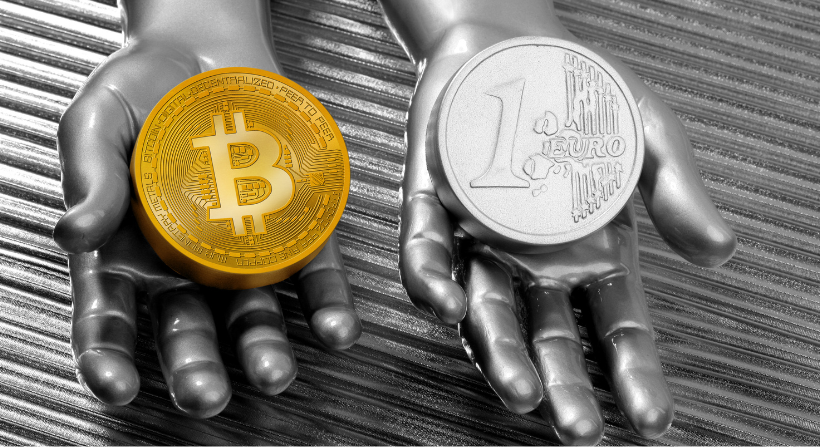

Crypto payments are growing fast in 2026. More businesses now accept digital assets for online shopping, subscriptions, and even travel. Many travelers can now book hotels, book flights, and manage full crypto travel plans using digital currencies.
But one question keeps coming up: Stablecoins vs Bitcoin, which one is better for payments?Both options allow users to pay with crypto, but they work in different ways. This guide explains how stablecoins and Bitcoin function, how they compare, and which one makes more sense for payments in 2026.
What Are Stablecoins?
Stablecoins are digital currencies designed to keep a stable value. Most stablecoins are linked to traditional currencies like the US dollar. This means one stablecoin usually equals one dollar.
For example, popular stablecoins are:
- Tether
- USD Coin
These coins are backed by reserves such as cash or short-term government bonds. Because of this backing, their value does not change much day to day.
In payments, this stability is important. If you pay 200 dollars worth of stablecoins today, the value will likely remain close to 200 dollars tomorrow.
Businesses prefer stablecoins because pricing stays predictable. Customers like them because they reduce risk.
Stablecoins are now used for:
- Online shopping
- Freelance payments
- Cross-border transfers
- Booking travel services
Their main strength is price stability.
What Is Bitcoin
Bitcoin was created in 2009 as the first decentralized digital currency. It is not controlled by any bank or government.
Bitcoin works on a public blockchain network. Transactions are verified by miners and recorded permanently.
Many people use Bitcoin because:
- It has strong global recognition.
- It is widely accepted.
- It is decentralized.
- It is secure.
However, Bitcoin’s price changes often. It can rise or fall in value within hours. This volatility makes it attractive for investors but less predictable for everyday payments.
Still, many users prefer to pay with Bitcoin because of its global acceptance and strong brand reputation.
Key Differences Between Stablecoins vs Bitcoin in 2026
Below is a clear comparison table to explain Stablecoins vs Bitcoin for payments.
| Feature | Stablecoins | Bitcoin |
| Price Stability | Very stable, usually linked to USD | Highly volatile |
| Main Purpose | Payments and transfers | Store of value and payments |
| Risk Level | Lower price risk | Higher price risk |
| Speed | Fast, depending on the network | Moderate, depending on the network |
| Acceptance | Growing fast | Widely accepted |
| Best For | Daily payment | Long-term holding and global payments |
This table shows the core difference. Stablecoins focus on stable value. Bitcoin offers decentralization and long-term growth potential.
Which Option Is Better for Daily Transactions and Online Shopping
For daily spending, stablecoins are often easier to use. Because their value stays stable, both buyers and sellers know exactly how much money is being exchanged.
Example:
If you book hotel rooms using stablecoins, the price remains predictable. There is no fear that the payment will lose value within minutes.
Bitcoin works too, but price swings may affect short-term spending. If Bitcoin drops in value after
you pay, the merchant may lose money. If it rises, the buyer may feel they overspent.
This is why many online stores now accept stablecoins for regular transactions.
How Stablecoins and Bitcoin Fit into Crypto Travel in 2026
Crypto travel is expanding fast. Many travel platforms now allow users to:
- Pay for tours
- Book flight tickets
- Book hotel stays
- Reserve rental cars
Stablecoins are useful for travel because:
- They allow fast cross-border payments.
- They match hotel and airline pricing easily.
- They reduce currency conversion problems.
Bitcoin is also used in crypto travel. It is especially popular among tech-friendly travellers who prefer decentralized assets.
Some travelers choose to pay with Bitcoin for privacy reasons. Others prefer stablecoins for price clarity.
Both options are becoming part of modern travel payments.
Transaction Fees and Speed Comparison for Payments
Transaction cost matters when choosing between Stablecoins vs Bitcoin.
Bitcoin fees depend on network activity. During busy times, fees can rise. Confirmation time may also increase if the network is congested.
Stablecoin fees depend on the blockchain they operate on. Some networks offer low fees and fast confirmations. Others may have higher costs.
In general:
- Stablecoins on fast networks can settle quickly.
- Bitcoin remains secure, but it can be slower during peak usage.
For small daily payments, stablecoins often provide smoother performance.
Security and Regulation Considerations in 2026
Security is important for any digital payment.
Bitcoin is highly secure because it runs on a strong decentralized network. It has operated for many years without a major system failure.
Stablecoins rely on the company or organization managing the reserves. Transparency reports are important. Users should choose stablecoins that publish regular audits.
In 2026, governments are increasing regulation of crypto markets. Stablecoins are under more regulatory focus because they connect directly to traditional currencies.
Both assets are legal in many regions, but users should check local rules before making large transactions.
When Should You Choose Stablecoins Over Bitcoin
Stablecoins may be better if:
- You want a stable value.
- You need predictable pricing.
- You are making daily purchases.
- You are paying for travel services.
They are ideal for spending, budgeting, and short-term transactions.
When Should You Choose Bitcoin Over Stablecoins
Bitcoin may be better if:
- You prefer decentralization.
- You believe in long-term growth.
- You want strong global acceptance.
- You are comfortable with price swings.
Bitcoin works well for large cross-border transfers and long-term holding.
The Future of Stablecoins vs Bitcoin for Payments
In 2026, both options will continue to grow.
Stablecoins are becoming common in online payments and business transactions. Companies prefer price stability.
Bitcoin remains the most recognized cryptocurrency worldwide. It continues to attract users who value independence from traditional financial systems.
Instead of replacing each other, stablecoins and Bitcoin serve different roles. Many users hold both and choose depending on the situation.
Conclusion
The debate around Stablecoins vs Bitcoin is not about which one is better overall. It is about which one fits your needs.
Stablecoins offer price stability and simple payments. Bitcoin offers decentralization and global recognition. For everyday purchases and travel bookings, stablecoins often provide smoother experiences. For long term value and strong brand trust, Bitcoin remains powerful.
As crypto travel expands, more platforms allow users to pay with crypto for hotels and flights. Whether you prefer to pay with Bitcoin or use Stablecoins, flexibility is becoming normal.
If you are planning your next trip and want modern payment options, Travorio allows travelers to book hotel stays and book flight tickets using crypto-friendly solutions. With the right platform, digital payments can make travel easier, faster, and more convenient in 2026.
FAQs
Yes. Many travel platforms now allow users to pay with crypto, including stablecoins. You can use them to book hotel rooms, flights, and other travel services in many regions.
Fees depend on the network used. Some stablecoins operate on faster and lower-cost blockchains. Bitcoin fees can rise when the network is busy. It is best to check current fees before making a payment.
Stablecoins and Bitcoin serve different purposes. Stablecoins focus on stable payments, while Bitcoin is also used as a store of value. In 2026, both continue to grow and are used for different payment needs.