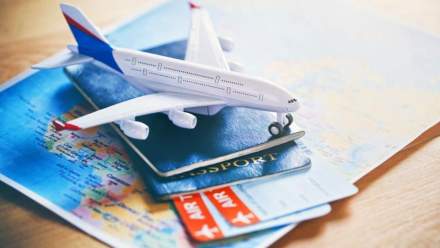

Air travel is faster than ever, but delays, gate changes, and last-minute updates still happen. This is why many travellers use a flight tracker before and after they book flights. A flight tracker shows live updates about your flight so you always know what is happening.
In this guide, you will learn how a flight tracker works, what information it shows, and why it is important for smart travel planning in 2026.
What Is a Flight Tracker
A flight tracker is an online tool or mobile app that shows the real-time status of a flight. It collects data from airlines, airports, radar systems, and satellites. Then it displays that data in a way that is easy to understand.
When you search your flight number, you can see:
- Scheduled departure and arrival times.
- Updated departure and arrival times.
- Live location of the plane on a map.
- Delay or cancellation notices.
- Gate and terminal numbers.
- Aircraft type.
This tool is useful for both passengers and people picking someone up from the airport. Instead of guessing, you get live updates directly on your phone or computer.
Flight trackers are widely used across the world. They rely on official aviation systems, which makes the information accurate in most cases.
How Flight Tracker Technology Works
Many people see planes moving on a digital map and wonder how it works. The system behind a flight tracker is based on aviation tracking technology.
Aircraft use a system called ADS B. This system sends signals that include the plane’s position, speed, and altitude. Ground receivers and satellites collect these signals. Air traffic control also shares operational data.
The flight tracker gathers data from:
- Airline operations systems
- Satellite tracking systems
- Air traffic control feeds
- Airport databases
- Radar networks
All this information is processed and shown in real time. That is why you can see when a plane takes off, climbs to cruising altitude, begins descent, or lands.
Small delays in updates may happen due to weather or signal coverage. However, overall accuracy is very high.
Why You Should Check a Flight Tracker Before Leaving Home
One of the smartest travel habits is checking your flight status before heading to the airport. Many delays happen because of weather, heavy air traffic, or technical checks.
When you use a flight tracker before leaving home, you can:
- Adjust your ride to the airport.
- Confirm gate numbers in advance.
- Prepare for possible schedule changes.
- Avoid arriving too early for a delayed flight.
This is especially helpful during holiday seasons when airports are busy. A simple check can save hours of waiting.
It also reduces stress. Travel becomes easier when you know exactly what is happening with your flight.
How Flight Tracking Helps After You Book Flights
Once you book flights, your journey is not fully planned until you monitor it. Flight tracking adds another layer of control.
For connecting flights, tracking becomes even more important. You can monitor:
- Terminal changes.
- Arrival time of your first flight.
- Remaining time for your connection.
- Possible delays that affect your next flight.
If you see a delay early, you can contact the airline faster. This gives you more options for rebooking if needed.
Families and friends can also track your arrival and plan pickup time better. This prevents long waits at the airport.
Airline Websites vs Third-Party Flight Trackers
Most airlines provide flight status updates on their official websites. These updates are direct from the airline and are useful for official changes or rebooking.
Third-party flight tracker platforms collect information from multiple airlines and radar systems. They allow you to track flights from different airlines in one place.
Airline websites are best for:
- Official announcements
- Rebooking options
- Customer support
Third-party trackers are helpful for:
- Live aircraft map tracking.
- Monitoring multiple flights.
- Checking airport-wide delays.
Many experienced travellers use both for complete clarity.
Real Time Alerts and Notifications
Modern flight tracker tools allow you to turn on alerts. This feature sends automatic updates to your phone.
You can receive notifications about:
- Gate updates
- Arrival delays
- Flight cancellations
- Departure time changes
- Boarding announcements
This is helpful if you are working or travelling to the airport. Instead of refreshing the page, you get instant updates.
Alerts are also useful when you book flights weeks or months in advance. As your travel date gets closer, you stay informed without extra effort.
How Weather and Air Traffic Affect Flight Tracking
Weather plays a major role in aviation. Storms, heavy rain, fog, and snow can delay takeoff or landing. Air traffic congestion can also slow flights during busy hours.
A flight tracker helps you understand these changes. For example:
- If the aircraft is waiting on the runway, you may see a delayed departure time.
- If the plane circles before landing, you may see it looping on the map.
- If severe weather affects the airport, arrival time may shift.
Instead of confusion, you see the reason behind delays. This makes it easier to adjust your travel plans calmly.
How Flight Tracking Improves Overall Travel Planning
A flight tracker does more than show departure time. It helps manage your full trip. With live updates, you can:
- Adjust transport bookings.
- Change dinner reservations.
- Plan airport lounge visits wisely.
- Inform your booked hotel about late check-in.
Clear timing allows better planning. Travel problems often happen because of missing information. Tracking reduces surprises.
When combined with smart booking, tracking gives you a more organized journey.
Safety and Privacy Facts
Flight trackers only display public flight data. They do not show personal passenger information. Displayed information includes:
- Route
- Flight number
- Aircraft position
- Estimated times
Passenger names and booking details are not visible. The tracking system focuses on aircraft movement, not personal data.
These systems are part of the global aviation infrastructure. Airlines, airports, and air traffic control use similar tracking methods to ensure safety.
Smart Tips for Frequent Travelers
If you travel often and regularly book flights, make flight tracking part of your routine. Helpful habits include:
- Monitor connecting flights closely.
- Save your flight number in your phone.
- Turn on alerts one day before departure.
- Keep airline support contact details ready.
- Check your flight again before leaving home.
These simple steps take little time but reduce stress greatly.
Conclusion
Using a flight tracker is one of the easiest ways to travel smarter. It gives you real-time updates, reduces uncertainty, and helps you plan better.
After you book flights, tracking them keeps you informed from departure to arrival. Whether you are flying for business, vacation, or family visits, live updates make the journey smoother.
If you want a simple way to search and book flights in one place, Travorio offers a user-friendly platform that helps you plan your trip with confidence. When smart booking and flight tracking work together, travel becomes easier and more predictable.
FAQs
Yes, most flight tracker tools are highly accurate because they use official aviation data. Small time differences may happen due to weather or operational updates, but overall information is reliable.
Yes. After you book flights, you can enter your flight number into a flight tracker to monitor updates. This helps you stay informed about delays, gate changes, or schedule adjustments.
No. A flight tracker only shows public flight information such as flight number, route, aircraft position, and timing updates. It does not display personal passenger data.