
Guide · Updated 2026-03-17
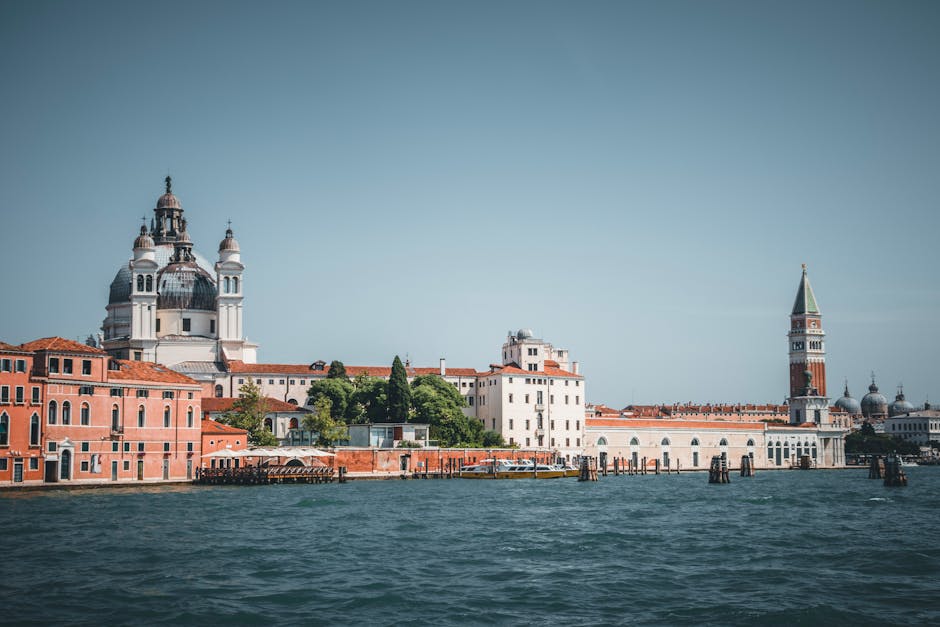
Where to stay in Italy depends on how you like to travel and how you want to spend your days and nights. This guide breaks down the best areas for different styles, from art-focused city breaks to coastal escapes, with hotel prices ranging from budget rooms at about $45 per night to luxury suites around $400. In Rome, Trastevere offers cobbled lanes and lively trattorias, ideal if you want nightlife within walking distance of the Tiber. In Florence, Santa Croce puts you close to artisan workshops and the Arno, good for travelers who like exploring on foot. Venice’s Cannaregio district feels more residential, with quieter canals and easier access to vaporetto stops. You will find seasonal advice on high and low periods, smart timing for booking flights to Italy, and tactics for locking in refundable rates. The guide also explains how to use flexible payment options, including cryptocurrency and installment payments on Travorio.
Search Hotels in ItalyItaly at a Glance
| Country | Italy |
| Timezone | CET |
| Best Months | Apr,May,Sep,Oct |
| Peak Season | Jun,Jul,Aug |
| Visa | visa-free |
| Nearest Airport | FCO |
| Airport Distance | 30 km |
Hotel Prices in Italy
| Budget (2-3★) | $45/night |
| Mid-Range (3-4★) | $130/night |
| Luxury (4-5★) | $400/night |
| Cheapest Month | November |
| Crypto Discount | Up to 5% off |
Hotel prices in Italy typically drop in November because the peak tourist season ends, temperatures cool, and daylight hours shorten, which reduces international and domestic demand. Coastal areas like the Amalfi Coast see sharp declines once beach weather fades, while cities such as Florence and Venice host fewer tour groups. This softer demand leads to discounted nightly rates and better room availability. For consistently lower prices, target Tuesday to Thursday stays, when business and weekend leisure traffic is at its weakest.
Best Neighborhoods to Stay in Italy
| Best Areas in Italy | ||
|---|---|---|
| Area | Best For | Price Level |
| Rome | First time cultural travelers focused on ancient history and major landmarks | $$ |
| Florence | Art lovers and food focused travelers who want a walkable base in Tuscany | $$ |
| Venice | Romantic couples seeking atmospheric canals and unique island scenery | $$$ |
| Amalfi Coast | Scenic travelers prioritizing dramatic coastline views and relaxed resort stays | $$$ |
| Milan | Shopping and design focused travelers who want fast rail links across northern Italy | $$ |
Rome and Florence work very differently as trip bases. Rome suits travelers who want big city energy and headline sights in one place. Staying near Piazza Navona or in the Monti district keeps you close to the Colosseum, Roman Forum, and Termini station for long distance trains. It is better for short stays where you want to tick off major icons and use the metro or buses. Florence feels smaller and more walkable, with most sights clustered around the Duomo, Piazza della Signoria, and the Arno river. It is the stronger choice for art focused travelers and those planning day trips by regional train to Lucca, Pisa, or Siena. For official information see Italia National Tourism Board.
Compare Hotels in ItalyBest Time to Visit Italy
| Best Months | Apr,May,Sep,Oct |
| Peak (Expensive) | Jun,Jul,Aug |
| Cheapest Month | November |
Italy is most comfortable in April, May, September, and October, when daytime temperatures usually sit between 15°C and 24°C and evenings are cool but manageable with a light jacket. Summer peak months June to August often climb to 28°C to 35°C in cities like Rome and Florence, with heavy crowds and fully booked coastal areas. Crowds spike around events such as the Venice Film Festival, typically late August to early September. Hotel prices rise sharply in peak season, especially near major sights. By November, when temperatures drop to around 8°C to 15°C, hotels can be 30 to 40 percent cheaper than in August.
Getting to Italy from the Airport
| Airport | FCO |
| Distance | 30 km from city center |
| Transfer Options | Leonardo Express 32 min |
From Fiumicino (FCO) to central Rome, the fastest option is the Leonardo Express train to Termini Station, taking about 32 minutes and costing around €14 one way. The cheapest choice is the regional FL1 train combined with a metro connection, totaling about 50 to 60 minutes and roughly €8. Buy train tickets from the machines or Trenitalia counters before boarding to validate them. For terminal details, transport maps, and live updates, check the Rome Fiumicino Airport official site.
Flights to Italy
Looking for flights? Check our route guides:

How Many Days in Italy?
Plan at least four full days in Italy for a quick first look, though 10 to 14 days is ideal to experience multiple regions without rushing. In a week or more you can balance cities and smaller towns efficiently. Prioritize the Colosseum in Rome, the Uffizi Gallery in Florence, a vaporetto ride along Venice’s Grand Canal, and a day in Cinque Terre’s coastal villages. Sample itinerary: Day 1: Rome, Colosseum and Trastevere. Day 2: Florence, Duomo and Uffizi. Day 3: Venice, St Mark’s Basilica and Rialto Bridge. Check current events happening in Italy before finalizing dates.
Is Italy Expensive?
Daily costs in Italy stay relatively manageable for most travelers. An average meal at a mid range restaurant typically runs about $18 to $25 per person, excluding premium wine. A city public transport day pass usually costs around $7 to $10, depending on the region. Entry to the Colosseum in Rome is about $18 for a standard ticket. Hotels range widely, from around $45 for basic guesthouses to $400 for upscale properties. Compared with London or New York, daily expenses in Italy are generally lower. Booking hotels through Travorio with crypto can cut accommodation costs by up to 5 percent.
Who Should Stay in Italy
Italy is ideal for: couples,families,history buffs,foodies.
- Couples: Share a late stroll through Trastevere in Rome, crossing Ponte Sisto after dinner at a tiny osteria, then linger in Piazza di Santa Maria in Trastevere as street musicians play and the basilica glows, creating a quietly romantic scene that feels lived in, not staged.
- Families: Spend a full day around Florence’s Piazzale Michelangelo, starting with the panoramic terrace where kids can spot the Duomo from above, then walk down through the rose garden, grab gelato on Via de’ Bardi, and finish with a relaxed Arno riverside picnic at sunset.
- History buffs: Base yourself near Naples’ Spaccanapoli, then take the Circumvesuviana train to Pompeii Scavi station, entering the archaeological park early to walk intact streets, step into the Villa of the Mysteries, and study vivid frescoes that show daily life almost frozen in time.
- Foodies: Spend an evening in Bologna’s Quadrilatero market district, grazing on mortadella, 24 month Parmigiano Reggiano, and tortellini in brodo at a family run trattoria, then book your Italy hotel on Travorio nearby so you can return early for fresh morning sfogliatine.
Visa and Entry Requirements
| Visa Status | visa-free |
| Details | US citizens: 90 days Schengen visa-free |
Staying in Italy: Travorio FAQ
What is the best area to stay in Italy among Rome, Florence, Venice, the Amalfi Coast, and Milan?
Rome works best for first time trips, with easy access to major sights, good public transport, and a wide spread of hotel options on Travorio. Florence suits travelers focused on art, walkable streets, and day trips into Tuscany, while Venice is ideal if you want a car free stay and direct access to the lagoon. The Amalfi Coast fits those prioritizing sea views and slower days, but it requires more planning for transfers and tends to cost more per night. Milan is the most practical base for business, shopping, and fast rail connections, and it offers a strong range of modern hotels close to major stations and the Duomo area.
How much do hotels in Italy typically cost per night on Travorio?
On Travorio, you can usually find basic budget rooms in smaller Italian cities and some suburbs from about $45 to $80 per night, especially outside peak holiday dates. Mid range hotels in central areas of Rome, Florence, or Milan often fall between $90 and $200 per night, with prices rising for properties near major landmarks or train stations. In Venice and along the Amalfi Coast, sea view and canal front rooms commonly range from $180 to $400 per night due to high demand and limited space. Prices can shift quickly around major events and holidays, so checking flexible dates and nearby neighborhoods often reveals better value within the same city.
When is the best time to stay in Italy for comfortable weather and fewer crowds?
For most travelers, April, May, September, and October offer the best balance of mild temperatures and manageable visitor numbers across Italy. In Rome and Florence, these months usually bring pleasant daytime highs that make walking between sights and using outdoor terraces comfortable. Venice and the Amalfi Coast still feel lively in these periods, but you avoid the most intense summer heat and humidity. Hotel prices on Travorio often sit between low and peak season levels in these months, so you can secure better value than in July and August while still enjoying long daylight hours.
Is a visa required to stay in Italy, and what should travelers know before booking on Travorio?
Italy is part of the Schengen Area, so visa rules depend on your nationality and the length of your stay. Many travelers from the EU, the UK, the United States, Canada, Australia, and several other countries can enter visa free for short stays that usually cover up to 90 days in any 180 day period. Travelers from countries that require a Schengen visa must apply in advance through the Italian consulate or a visa center, and should secure approval before committing to non refundable bookings. When reserving stays on Travorio, always check your passport validity and current entry rules, since airlines and border officials will enforce the regulations in place at the time of travel.
Where and how can I pay for my Italy stay on Travorio, and are crypto payments accepted?
Travorio allows you to pay for hotels across Rome, Florence, Venice, the Amalfi Coast, Milan, and other Italian destinations directly through its secure online checkout. You can typically use major credit and debit cards, and in many cases supported cryptocurrencies, to complete your booking. Crypto payments are processed through integrated payment partners, so you see the price in fiat currency and pay in a supported coin or token at the current rate. Always review the payment options shown for each property on Travorio, since some hotels may restrict certain methods for non refundable or special rate bookings.