
Guide · Updated 2026-03-17
Where to stay in Japan depends heavily on how you like to travel, and this guide helps you match neighborhoods to your style. Tokyo’s Shinjuku suits night owls and first-time visitors, with the city’s busiest train station and an endless mix of izakaya alleys and skyscraper hotels. Kyoto’s Gion works for culture-focused travelers, putting you within walking distance of preserved wooden machiya streets and Yasaka Shrine. Osaka’s Namba appeals to food lovers, anchored by Dotonbori’s neon-lit canal and late-night street stalls. You will find clear breakdowns of the best areas for short city breaks, onsen retreats, and long stays, plus realistic hotel prices from $45 guesthouses to $500 luxury suites. The guide also covers peak seasons like cherry blossom and autumn foliage, booking strategies, and how to compare flights to Japan. All recommendations can be booked on Travorio with flexible payment options including cryptocurrency and installment plans.
Search Hotels in JapanJapan at a Glance
| Country | Japan |
| Timezone | JST |
| Best Months | Mar,Apr,Oct,Nov |
| Peak Season | Jul,Aug,Dec |
| Visa | visa-free |
| Nearest Airport | NRT |
| Airport Distance | 60 km |
Hotel Prices in Japan
| Budget (2-3★) | $45/night |
| Mid-Range (3-4★) | $140/night |
| Luxury (4-5★) | $500/night |
| Cheapest Month | January |
| Crypto Discount | Up to 5% off |
Hotel prices in Japan often drop in January because the New Year holiday rush ends around January 3, then domestic travel slows sharply. Cold weather, especially in Tokyo and northern regions, keeps leisure demand low until plum blossom season starts in late February. Ski resorts stay busy, but city business travel is quiet after corporate year-end events. For better value, target Tuesday to Thursday stays in major cities, when corporate demand dips and crypto-friendly platforms like Travorio show more competitive rates.
Best Neighborhoods to Stay in Japan
| Best Areas in Japan | Area | Best For | Price Level |
|---|---|---|---|
| Tokyo | Shinjuku & Shibuya | First time visitors who want nightlife, shopping, and easy JR and metro connections across the city | $$$ |
| Kyoto | Gion & Higashiyama | Cultural travelers focused on temples, traditional streets, and classic ryokan stays | $$$ |
| Osaka | Namba & Dotonbori | Food focused travelers who want late night street life and easy access to Kobe and Nara | $$ |
| Hiroshima | Hondori & Peace Memorial Park area | History minded travelers planning day trips to Miyajima and the Seto Inland Sea | $$ |
| Hakone | Hakone Yumoto & Gora | Onsen travelers who want hot springs, ryokan cuisine, and views of Mount Fuji | $$$ |
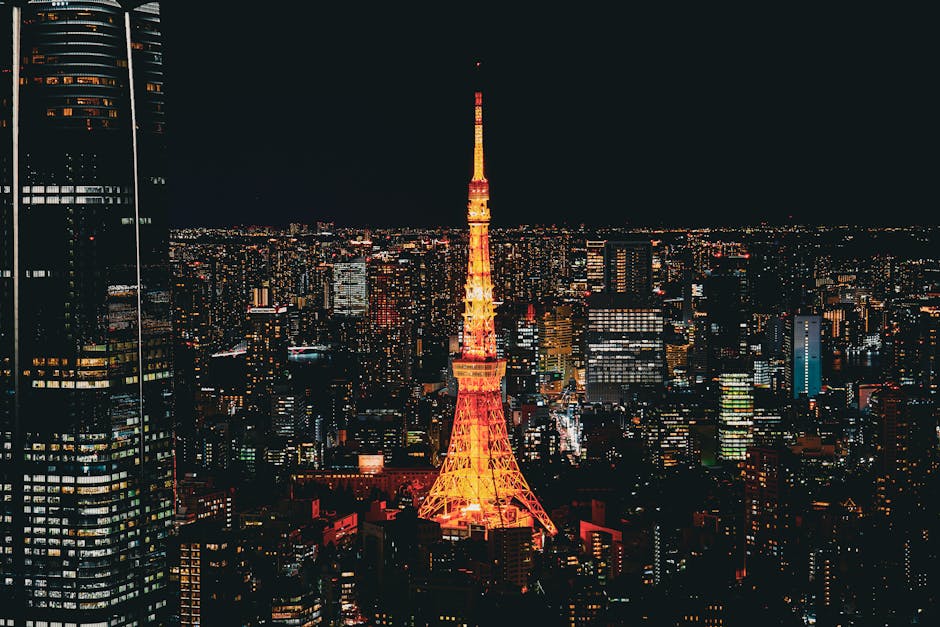
Tokyo and Kyoto suit very different trips. Around Shinjuku Station in Tokyo you get the country’s best transport hub for day trips, fast access to Narita and Haneda, and dense nightlife in Kabukicho plus shopping along Omotesando and around Harajuku. It works better for short stays, fast paced itineraries, and travelers who want late trains and 24 hour food. Kyoto’s Gion and Higashiyama districts feel slower. Streets like Ninenzaka and Sannenzaka keep you close to Kiyomizu dera, Yasaka Shrine, and the Philosopher’s Path, but public transport relies more on buses and walking. Kyoto is stronger for temple hopping, photography, and traditional inns, while Tokyo is superior for convenience, variety, and onward connections. For official planning resources see the Japan National Tourism Organization.
Compare Hotels in JapanBest Time to Visit Japan
| Best Months | Mar,Apr,Oct,Nov |
| Peak (Expensive) | Jul,Aug,Dec |
| Cheapest Month | January |
The most comfortable months in Japan are March, April, October, and November, when daytime temperatures usually sit between 10°C and 20°C with low humidity. Cherry blossom season typically peaks from late March to early April, highlighted by events like the Ueno Sakura Matsuri in Tokyo around late March. July, August, and December are peak months, with summer heat often above 30°C and winter ski crowds driving rates up. Expect heavier crowds and hotel prices up to 40 percent higher than shoulder seasons. In January, when demand drops sharply, comparable hotels can be 30 to 50 percent cheaper than in peak season.
Getting to Japan from the Airport
| Airport | NRT |
| Distance | 60 km from city center |
| Transfer Options | Narita Express 60 min |
From Narita Airport to central Tokyo, the fastest option is the Narita Express, taking about 55 minutes to Tokyo Station and costing around ¥3,000 one way. The cheapest route is the Keisei Access Express to Asakusa or Nihombashi, about 70 to 80 minutes for roughly ¥1,300. Buy train tickets at the JR East or Keisei counters before exiting the arrivals area. Check schedules and terminal details on the Narita International Airport official site.
Flights to Japan
Looking for flights? Check our route guides:
How Many Days in Japan?
For Japan, plan at least 5 days for a quick first trip, with 10 to 14 days as an ideal stay to balance cities and regional culture. In a short visit, focus on Tokyo, Kyoto, and one day trip. Day 1: Tokyo, explore Shibuya Crossing and Meiji Jingu, then ramen in Shinjuku. Day 2: Kyoto, visit Fushimi Inari Taisha and the Gion district in the evening. Day 3: Day trip to Nara Park or Arashiyama Bamboo Grove. For longer trips, add Hiroshima and Miyajima. Check current events happening in Japan before finalizing dates.
Is Japan Expensive?
Daily costs in Japan are manageable with planning. An average meal at a mid-range restaurant runs about $10 to $15 per person, and a city public transport day pass typically costs around $7. For sightseeing, entry to Tokyo Skytree is about $20 for standard adult admission. Hotels range widely, from simple business hotels at roughly $45 per night to luxury properties at $500. Compared with London or New York, everyday expenses like transport and casual dining often feel slightly cheaper, while high-end hotels are similarly priced. Booking hotels through Travorio with crypto can cut accommodation costs by up to 5 percent.
Who Should Stay in Japan
Japan is ideal for: couples,solo travelers,culture seekers,foodies.
- Couples: Share a quiet evening in Kyoto’s Gion Shirakawa district, where lantern lit teahouses reflect in the canal and willow branches frame stone bridges. After strolling side streets lined with machiya townhouses, finish with a kaiseki dinner in a traditional ryokan overlooking a small inner garden.
- Solo travelers: Base yourself in Tokyo’s Kanda-Jimbocho neighborhood, browsing secondhand bookshops by day and tiny counter seat curry joints at night. The area feels safe yet local, with quick access to the Toei and Tokyo Metro lines for easy day trips, then quiet streets for late walks.
- Culture seekers: Spend a full day at Kanazawa’s Kenrokuen Garden and nearby Nagamachi samurai district, timing your visit for early morning light on stone bridges and moss. Then step into preserved samurai residences, noticing low ceilings, earthen walls, and hidden gardens that show how retainers actually lived.
- Foodies: Start pre dawn at Tokyo’s Toyosu Market watching tuna auctions, then follow vendors’ recommendations to a ten seat sushi counter inside the market complex. Later, use your crypto to book your Japan hotel on Travorio near Tsukiji Outer Market, perfect for repeat tastings of grilled scallops and tamago.
Visa and Entry Requirements
| Visa Status | visa-free |
| Details | US citizens: 90 days visa-free |
Staying in Japan FAQ
What are the best areas to stay when traveling from Tokyo to Kyoto, Osaka, Hiroshima, and Hakone?
Tokyo works best if you base yourself near major hubs like Shinjuku or Tokyo Station, since both offer direct connections toward Kyoto and Hakone. In Kyoto, staying around Kyoto Station or the Gion and Higashiyama area keeps you close to temples and easy rail links to Osaka. For Osaka, Namba and Umeda give you fast access to local food spots and quick trains to both Kyoto and Hiroshima. In Hiroshima, the area around Hiroshima Station or Hondori makes day trips to Miyajima straightforward, while Hakone stays are most convenient near Hakone Yumoto or around Lake Ashi for onsen access and views of Mount Fuji on clear days.
How much do hotels in Japan typically cost per night from budget to luxury levels?
In major cities like Tokyo, Osaka, and Kyoto, clean business hotels and some capsule options usually start around 45 to 80 US dollars per night, often with compact rooms but reliable facilities. Mid range city hotels and comfortable ryokan stays commonly fall between 90 and 220 US dollars per night, which can include better locations and more space. Higher end properties and luxury ryokan with kaiseki dinners and private onsen often range from 250 to 500 US dollars per night, especially in Hakone and central Tokyo. Hiroshima and some suburbs can be slightly cheaper than Tokyo or Kyoto, so the same budget can secure a larger room or a hotel closer to the station.
When is the best time to stay in Japan if I want comfortable weather and seasonal scenery?
For many travelers, March and April are ideal because you get mild temperatures along with cherry blossoms in places like Tokyo, Kyoto, and Hiroshima, although exact bloom timing varies by year. October and November usually bring clear skies, lower humidity, and striking autumn colors in Kyoto’s temple districts and Hakone’s hillsides. These four months tend to be very popular, so hotel prices can rise and central areas book out quickly, especially on weekends and public holidays. Planning ahead for stays near major stations and scenic areas helps you secure better rates and more flexible room choices during these peak seasons.
Is a visa required for Japan stays, and what should travelers check before booking accommodation?
Japan offers visa exemption to many nationalities for short stays that are typically up to 90 days, but the list of eligible countries and conditions can change. Travelers should confirm current visa rules on the official website of the Ministry of Foreign Affairs of Japan or their local Japanese embassy before making nonrefundable bookings. Your passport usually needs to be valid for the entire duration of your stay, and you may be asked for proof of onward travel and accommodation details on arrival. If a visa is required for your nationality, apply well in advance and keep copies of your hotel confirmations from cities like Tokyo, Kyoto, Osaka, Hiroshima, and Hakone ready for your application and entry checks.
Where and how can I pay for Japan stays on Travorio, and are crypto payments accepted?
Travorio lets you search stays across Japan, including hotels and ryokan in Tokyo, Kyoto, Osaka, Hiroshima, and Hakone, then pay directly through the platform. Standard options usually include major credit and debit cards, which work well if you prefer traditional payment methods. As a crypto powered booking service, Travorio also supports selected cryptocurrencies, so you can complete your reservation without converting to fiat first. Always review the payment section at checkout to see which coins and currencies are currently supported, and note that final charges are shown in the currency displayed on Travorio, not in Japanese yen at the hotel.