Book Hotels in Abuja with Crypto or Pay Later (From $20/Night)
800+ properties starting from $20-40/night
Select dates
Check-in – Check-out
Destination
Check-in
Check-out
Guests
Hotels in Abuja range from $20 budget guesthouses to $500+ luxury suites, with over 800 properties across the Nigerian capital. Book with Bitcoin, Ethereum, USDT, or 100+ other cryptocurrencies, or split your stay into four payments using Sezzle or PayPal Pay Later. Travorio.com’s fintech-friendly platform opens up the city’s best rooms to digital nomads, business travelers, and families alike.
Abuja welcomes over a million business and leisure travelers annually, drawn by its government centers, conferences, and striking landscapes. The Nigerian Naira’s favorable exchange rate, around NGN 1,500 to $1 USD, stretches foreign budgets further,especially with off-season deals from May through August. October through March brings dry weather and peak rates, while summer months reward flexible travelers with 20-30% off top hotels.
Best Neighborhoods to Stay in Abuja
Central Business District (CBD)
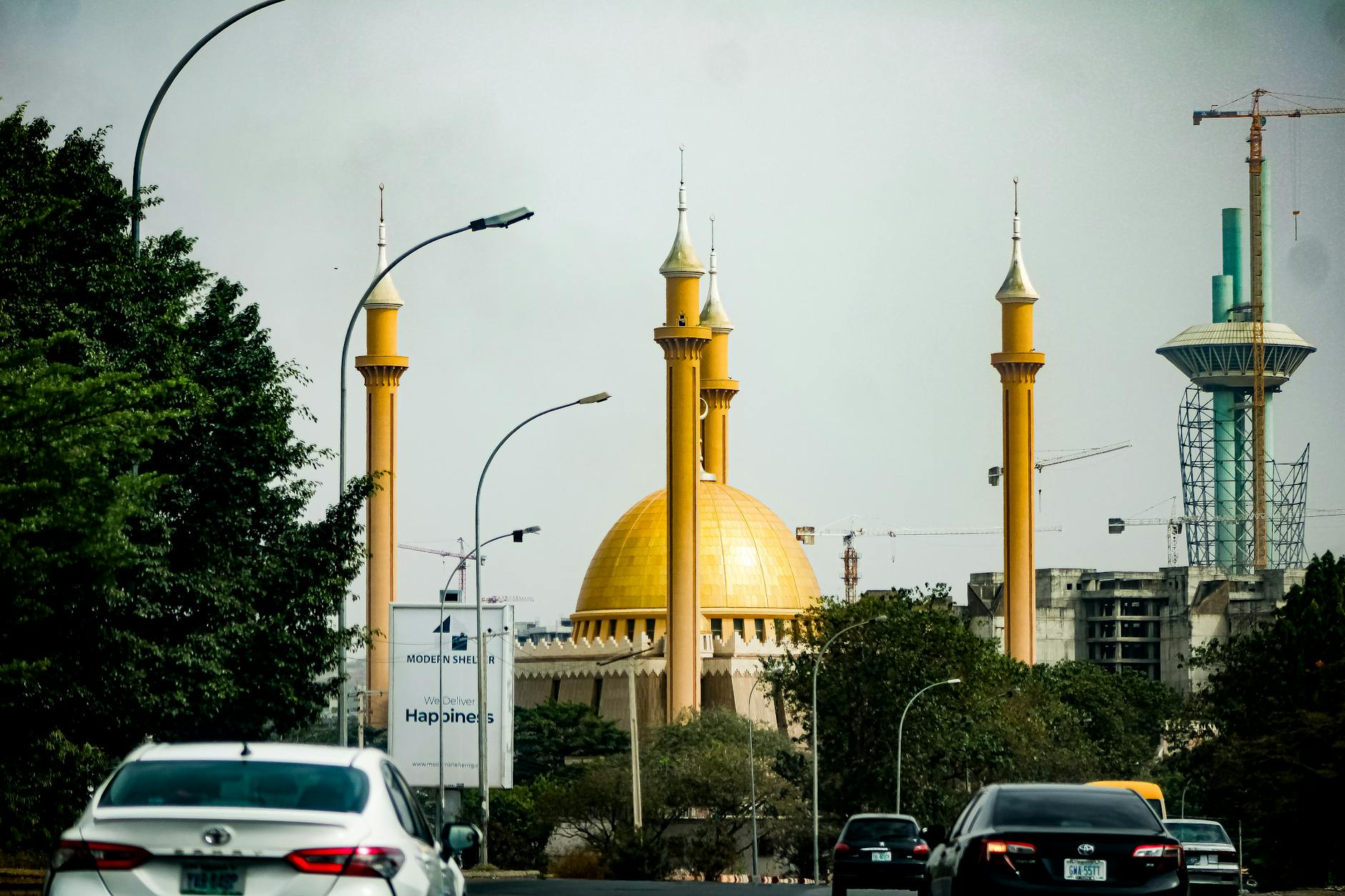
Abuja’s Central Business District is the heart of government and commerce. Landmarks like the Nigerian National Mosque, the National Christian Centre, and Millennium Park sit within walking distance. The area hosts upscale restaurants such as The Charcoal Grill and Bukka at the Transcorp Hilton, plus major shopping at Silverbird Galleria. Hotels here cost $150-$400 per night, catering to business travelers, diplomats, and conference delegates. The district’s grid layout connects easily to Nnamdi Azikiwe International Airport (ABV) via taxi (30 minutes, $25) or private transfer. Central bus terminals and wide avenues make moving around efficient.
Wuse & Wuse II
Wuse and Wuse II blend mid-range comfort with local culture. Jabi Lake Mall and Banex Plaza offer shopping and dining, while restaurants like Jevinik and Nkoyo serve Nigerian favorites. Nightlife centers around Crush Café and The Bank lounge. Budget to mid-range hotels range from $60 to $150 per night, ideal for leisure travelers, solo explorers, and small business teams. Wuse’s central location means quick access to citywide taxi routes and green buses, with most points of interest a 10-20 minute ride away.
Maitama
Leafy and tranquil, Maitama is Abuja’s diplomatic quarter. Foreign embassies, the British High Commission, and the German Embassy are close by. Maitama Amusement Park provides family fun, while gourmet dining appears at The Envoy and Wakkis. Luxury hotels here fetch $120-$350 nightly, favored by diplomats, executives, and travelers seeking serenity. Maitama’s tree-lined roads are best navigated by private car or ride-hailing apps, with direct links to the city center in under 15 minutes.
Garki
Garki, one of Abuja’s oldest neighborhoods, puts travelers near government ministries and the Abuja International Conference Centre. Garki Market brims with textiles and crafts, while foodies hit Drumstix for suya and local bites. Budget hotels dominate, with rates from $20 to $60 nightly, making it the top choice for cost-conscious visitors and backpackers. Garki’s proximity to Area 1 transport hub enables easy connections to buses, taxis, and shared rides across the city.
Jabi
Jabi mixes urban convenience with lakeside relaxation. The Jabi Lake waterfront features kayaking, boat rides, and the popular Jabi Lake Mall, home to international brands and cinemas. Mid-range hotels, priced $50-$120 per night, attract families, shopping enthusiasts, and couples. The area’s slightly northern location provides quick access to the airport (25 minutes by taxi, $22) and central Abuja. Public buses and taxis operate frequently, and the mall itself is a transport landmark.
Asokoro
Asokoro stands as Abuja’s most exclusive enclave. The Presidential Villa, ECOWAS Secretariat, and top government residences cluster amid lush hills. Luxury hotels here charge $150-$500 per night and emphasize privacy, security, and high-end amenities. Asokoro is the preferred address for VIPs, government contractors, and those requiring utmost discretion. It connects to the rest of Abuja via wide boulevards, though private car or ride-hailing is recommended due to the neighborhood’s low traffic and security checkpoints.
Average Hotel Prices in Abuja by Season
Hotel rates in Abuja fluctuate with the weather and conference calendar. The dry season, October through March, aligns with peak demand. During these months, 3-star hotel rooms average $95 per night, while 4-star accommodations reach $180 per night. Luxury properties often command $300-$500 per night, especially when major government events or summits occur.
The rainy season, from May to August, brings lower occupancy and significant savings. During these off-peak months, 3-star hotels drop to $65-$75 per night, and 4-star options settle between $120 and $140 per night. Luxury suites become available for $180-$300, with some properties offering up to 35% off standard rates. April and September serve as shoulder months, with moderate pricing and occasional flash deals.
For budget travelers, summer brings the best opportunities, with entry-level rooms as low as $20-$25 per night. Booking two to three months in advance secures the steepest discounts, while last-minute reservations in December or January may face sold-out hotels and rates 40% higher than summer lows.
How to Book Hotels in Abuja with Cryptocurrency
Browse over 800 Abuja hotels on Travorio’s hotel search, filtering by price, neighborhood, or amenities.
Select your preferred property and room type, then click “Book Now.”
At checkout, choose “Cryptocurrency” as your payment method. Options include Bitcoin (BTC), Ethereum (ETH), Tether (USDT), USD Coin (USDC), and 100+ other coins.
Scan the QR code or copy the wallet address provided. No Travorio wallet setup is required,pay directly from your existing crypto wallet or exchange.
Receive instant booking confirmation and manage your reservation online.
Travorio’s system processes crypto payments in seconds, converting to NGN for hotel partners. The platform supports major coins and stablecoins, eliminating the need for manual conversions or third-party wallets. Crypto bookings are eligible for all room categories, including refundable and pay-later rates.
Pay Later Hotels in Abuja: Split Into 4 Payments
Sezzle lets you divide your booking total into four equal installments, easing travel budgeting. Pay 25% at checkout, then three additional payments every two weeks,interest-free and without hard credit checks. Approval is instant, with no impact on your credit score.
PayPal Pay Later offers similar flexibility. Select PayPal at checkout, choose the Pay Later option, and split your payment into manageable biweekly chunks. Use your existing PayPal account for fast, secure approval.
Both Sezzle and PayPal Pay Later are available for Abuja hotels on Travorio, covering all room types and price ranges. Enjoy zero interest, transparent terms, and real-time confirmation. Book your next Abuja stay through pay later hotels in Abuja and manage your budget with confidence.
Getting to Abuja: Flights and Transport
Abuja is served by Nnamdi Azikiwe International Airport (ABV), located 40 kilometers (25 miles) west of the city center. The airport handles all major international and domestic arrivals, with direct flights from Europe, the Middle East, and Africa. Taxis from ABV to central Abuja cost $20-$25, while premium airport transfers start at $45. Shuttle buses, operated by Abuja Urban Mass Transit, run every 30 minutes and cost NGN 1,000 ($0.65) per ride.
Average round-trip flight prices to Abuja (economy class, 2024 rates):
London (LHR): $750-$980
New York (JFK): $1,200-$1,450
Dubai (DXB): $630-$820
Johannesburg (JNB): $480-$650
Accra (ACC): $210-$380
Compare routes and book your preferred airline through Travorio flights. Airlines serving Abuja include British Airways, Lufthansa, Turkish Airlines, Emirates, Ethiopian Airlines, and Air Peace. For terminal information and flight updates, visit the official ABV airport website.
Abuja Travel Tips for 2026
Visa: US, UK, Canadian, and Australian citizens can obtain a Nigerian visa on arrival at ABV for $80, payable in USD or NGN. Bring passport photos and a printed hotel reservation. Alternatively, apply online for an e-visa at portal.immigration.gov.ng. ECOWAS citizens are visa-exempt.
Local transport: Abuja’s city bus network, operated by Abuja Urban Mass Transit, covers all major districts. Standard fares range from NGN 500 to NGN 1,000 ($0.35-$0.65). The Abuja Light Rail (currently under expansion) links the airport and Idu station; tickets cost NGN 1,000 ($0.65) for a single journey. Taxis and ride-hailing apps (Bolt, Uber) are widely available, with typical city rides costing NGN 3,000-5,000 ($2-$3.50).
Tipping: Tipping is customary but not mandatory. In hotels, 5-10% of the bill or NGN 500-1,000 ($0.35-$0.65) for bellhops and housekeeping is appreciated. Restaurants often include a service charge, but leaving small cash tips signals good service.
Currency: The Nigerian Naira (NGN) is the official currency. Most hotels, malls, and supermarkets accept Visa and Mastercard, but street markets and small eateries operate cash-only. ATMs are widely available. Cryptocurrency payments are accepted online at Travorio.com.
Best time to visit: Visit October through March for dry, sunny weather and cultural festivals. Daytime highs range from 25°C to 35°C (77°F to 95°F). For the lowest hotel prices, travel during the rainy season (May-August), when rates drop by 20-35% and the city’s parks turn lush green. Harmattan season (December-February) brings dry air and dust, so pack accordingly.
For official travel advisories and the latest visitor statistics, consult the Nigerian Tourism Development Authority and FAAN. Book your Abuja hotel with confidence using Travorio, taking advantage of crypto and pay-later flexibility for your 2026 adventure.
Frequently Asked Questions
Where is the best area to stay in Abuja?
Wuse/Wuse II ($60-150/night) for mid-range and local energy. Maitama ($120-350/night) for diplomats and quiet luxury. CBD ($150-400/night) for business and government proximity. Jabi ($50-120/night) for families and the lake.
How much do hotels in Abuja cost?
Budget: $20-40/night in Garki. Mid-range: $60-150/night in Wuse and Jabi. Luxury: $180-500+/night at Transcorp Hilton, Sheraton, or Fraser Suites. Abuja is slightly pricier than Lagos due to government/diplomatic demand.
When is the cheapest time for Abuja hotels?
May-August (rainy season) offers 20-30% lower rates. January also has a brief dip after the December rush. Corporate hotels may have weekend discounts year-round. The dry season (Oct-March) is peak.
Is Abuja worth visiting as a tourist?
Abuja is more of a business destination than a tourist one, but it has appeal. Aso Rock and Zuma Rock are dramatic natural landmarks. The National Mosque and Church, built side by side, are architecturally stunning. Millennium Park is beautiful. Most tourists combine Abuja with Lagos or use it for northern Nigeria access.
What is the Transcorp Hilton Abuja?
The Transcorp Hilton is Abuja's most iconic hotel — a 670-room landmark in the CBD that has hosted heads of state since 1987. Rooms from $200/night. It's the default choice for high-profile visitors and has the best pool and facilities in the city.
Can I book Abuja hotels with cryptocurrency?
Yes. Travorio accepts Bitcoin, Ethereum, and 100+ other cryptocurrencies for hotel bookings in Abuja.