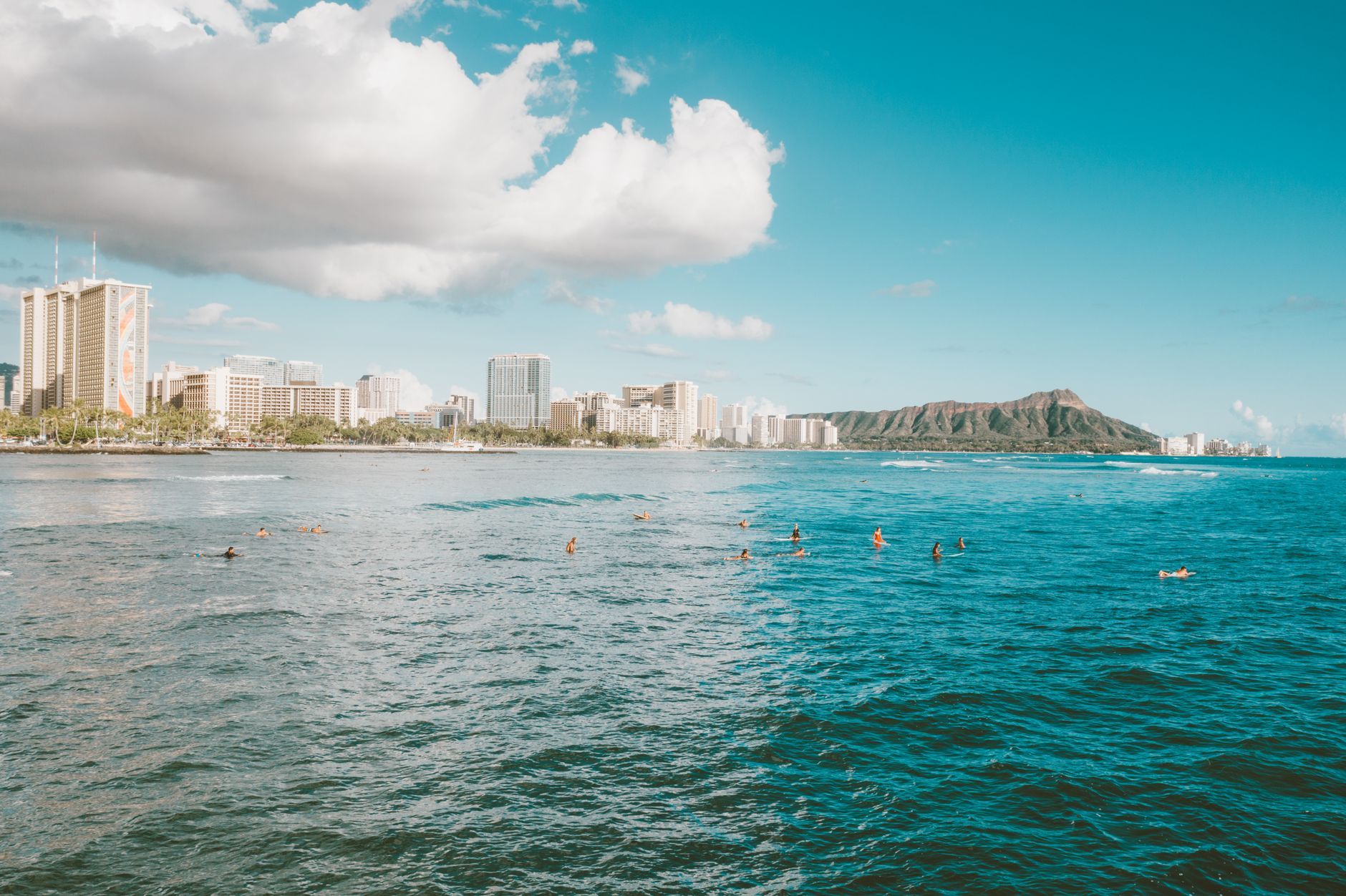
Hotels in Honolulu
400+ properties starting from $90-150/night
Select dates
Заезд – Выезд
Направление
Заезд
Выезд
Гости
Hotels in Honolulu span a dynamic price range from $90 in Kaimuki to $650 per night in Kahala, with over 400 properties available across the city. Travorio.com enables travelers to book these hotels using cryptocurrency (Bitcoin, Ethereum, USDT, and 100+ coins), as well as flexible Buy Now Pay Later options like Sezzle and PayPal Pay Later for maximum financial flexibility.
Honolulu draws more than 9 million visitors annually, making it one of the top urban beach destinations in North America. With the US dollar as its currency, international visitors often benefit from favorable exchange rates, particularly against weaker home currencies. Smart travelers book during off-peak periods,April to early June or September to mid-December,when hotel rates dip and crowds disperse, securing both savings and the best room selection.
Best Neighborhoods to Stay in Honolulu
Honolulu’s neighborhoods form a mosaic of urban energy, beachfront leisure, and residential charm. Each district offers a distinct vibe, price point, and proximity to key attractions, making your choice of base crucial for the type of trip you want.
Waikiki
Waikiki is Honolulu’s most iconic neighborhood, famous for its sweeping crescent beach and vibrant urban scene. Nightly hotel rates here range from $160 to $350, appealing to first-time visitors, families, couples, and solo female travelers. Waikiki Beach, with its golden sands and gentle surf, is the prime landmark, while the International Market Place provides an open-air shopping and dining hub. A standout local eatery is Duke’s Waikiki, beloved for its beachfront ambiance and fresh seafood. The neighborhood offers easy access to the Honolulu Zoo and the Waikiki Aquarium, making it ideal for families and cultural explorers. The nearest transit hub is the Ala Moana Center Bus Terminal, about a 10-minute ride to downtown Honolulu. This area’s walkability, safety, and wealth of amenities make it a perennial favorite.
Ala Moana
Ala Moana bridges the gap between Waikiki’s tourist buzz and downtown’s business core, with mid-range hotels priced from $170 to $270 per night. Shoppers and business travelers gravitate here for the colossal Ala Moana Center, the largest open-air shopping mall in the world, hosting over 350 stores and dozens of dining options. Magic Island, a man-made peninsula adjacent to Ala Moana Beach Park, is a peaceful spot for sunset strolls and picnics. For dining, Shokudo Japanese Restaurant & Bar is a local favorite, known for creative sushi and late-night bites. The Ala Moana Center Bus Terminal is the key transit link, just a 5-minute drive or bus ride to the city center. This neighborhood is perfect for those who want urban convenience without the constant buzz of Waikiki.
Downtown Honolulu
Downtown Honolulu is the city’s financial and historical heart, with hotel rates from $150 to $220 per night. This area appeals to business travelers, history lovers, and solo urban explorers. The Iolani Palace, the only royal palace on US soil, is a must-see architectural and cultural landmark. For coffee and light fare, The Downtown Coffee shop offers locally roasted beans and pastries in a chic, historic setting. Chinatown, with its vibrant markets and street art, provides an authentic slice of local life. The nearest transit station is the Bishop Street Bus Stop, offering a direct 5-minute ride to the central business district and easy connections across the island. Staying downtown gives travelers quick access to museums, government buildings, and classic Hawaiian eateries.
Kaimuki
Kaimuki is a laid-back, residential area east of Waikiki, popular among budget travelers, foodies, and digital nomads. Nightly rates span $90 to $140, making it one of Honolulu’s most affordable hotel zones. The Kaimuki Park is a neighborhood landmark, providing green space for morning jogs or family picnics. Coffee Talk, a cozy local café, anchors the community and is renowned for its specialty lattes and pastries. Waialae Avenue is the neighborhood’s culinary artery, packed with ramen shops, bakeries, and poke bars. The 12th Avenue Bus Stop connects Kaimuki to downtown in about 15 minutes. This area is best for travelers who value quiet nights, authentic local eats, and lower prices over beachfront access.
Kahala
Kahala is Honolulu’s enclave of understated luxury, with nightly hotel rates from $400 to $650. This neighborhood caters to luxury travelers, honeymooners, and privacy-seeking celebrities. The Kahala Hotel & Resort, fronted by a private stretch of sand, is a landmark in its own right, offering dolphin encounters and five-star amenities. The Kahala Mall is the go-to shopping and dining destination, featuring upscale boutiques and the popular Olive Tree Café for Mediterranean fare. Kahala Beach is a tranquil, less-crowded alternative to Waikiki’s bustle. The nearest transit point is the Kahala Mall Bus Stop, about a 20-minute ride to downtown. Staying in Kahala means seclusion, world-class service, and panoramic ocean views.
Kapahulu
Kapahulu, located just inland from Waikiki, is a favorite for budget-conscious travelers and food lovers, with hotel rates from $100 to $160 per night. The area is anchored by Leonard’s Bakery, famous for its malasadas (Portuguese doughnuts) and a local institution since 1952. The Honolulu Stadium State Park provides green space and a glimpse into the city’s sporting history. Rainbow Drive-In, a must-try for plate lunches, exemplifies the neighborhood’s casual, multicultural dining scene. The Kapahulu Avenue Bus Stop connects travelers to Waikiki and the city center in less than 10 minutes. Kapahulu’s charm lies in its blend of affordability, local flavor, and proximity to Waikiki’s attractions without the price tag.
Average Hotel Prices in Honolulu by Season
Honolulu’s hotel pricing fluctuates with seasonal demand, so timing your trip can lead to significant savings. For 3-star hotels, expect rates in spring (April–June) to hover between $170 and $200 per night, while 4-star hotels average $250 to $320. During summer (July–August), 3-star rates climb to $210–$250, and 4-star properties reach $340–$400, reflecting high family travel volumes. Autumn (September–mid-December) sees 3-star prices drop to $160–$180, with 4-star rooms available for $230–$280, coinciding with lower tourist numbers and mild weather. In winter (mid-December–March), especially during the holidays, 3-star hotels spike to $220–$270 and 4-star properties command $350–$430, driven by snowbird demand and festive events.
Major events cause sharp price increases: the Honolulu Marathon (early December), Aloha Festivals (September), and the peak Christmas/New Year holidays (mid-December to early January) see rates rise by 25–40 percent above average. Booking during off-peak seasons can yield savings of up to 35 percent compared to peak holiday periods, especially for longer stays or higher-category rooms.
How to Book Hotels in Honolulu with Cryptocurrency
- Start your search on the Travorio hotel search page and select your preferred Honolulu property.
- Choose your room type, dates, and proceed to checkout, selecting “Pay with Crypto.”
- Pick from Bitcoin (BTC), Ethereum (ETH), USDT, USDC, or over 100 other supported coins for payment.
- At checkout, your total in USD is instantly converted to your chosen cryptocurrency at the current market rate, locking in the price.
- Make your payment directly with your crypto wallet,no Travorio wallet setup required. Confirmation is instant, and your booking is secured.
Pay Later Hotels in Honolulu: Split Into 4 Payments
Sezzle Pay in 4 allows you to split your hotel booking into four equal installments: pay 25 percent upfront, then three biweekly payments. For example, a $240 Waikiki hotel room costs just $60 today, with the balance spread over the next six weeks, easing budget strain. PayPal Pay Later offers similar flexibility but may feature longer repayment terms or special financing, and operates within your PayPal account for added buyer protection. Both options require approval and provide flexible ways to manage your travel budget over time. For eligible pay later properties, browse pay later hotels in Honolulu.
Getting to Honolulu: Flights and Transport
Honolulu’s main gateway is Daniel K. Inouye International Airport (HNL), located just 10 km (6 miles) west of Waikiki, the city’s hotel epicenter. The airport is modern, efficient, and well-connected, serving as Hawaii’s primary hub for both domestic and international arrivals. Ground transport from HNL to downtown and Waikiki is straightforward, with several reliable options:
- TheBus: Honolulu’s public transit system runs route #20 and #42 from HNL to Waikiki and downtown. One-way fare is $3 USD, with a travel time of 45–60 minutes.
- Airport Shuttle: Shared shuttle services (such as Roberts Hawaii) cost $16 USD per person to Waikiki hotels, with a 25–35 minute travel time depending on traffic.
- Taxi/Rideshare: Metered taxis or Uber/Lyft rides to Waikiki average $35–$45 USD, taking 20–30 minutes door-to-door.
Average round-trip flight prices to Honolulu (HNL) from major cities:
- Los Angeles (LAX): $350–$600
- New York (JFK): $650–$1,000
- Tokyo (NRT): $700–$1,200
- Sydney (SYD): $800–$1,400
- Vancouver (YVR): $520–$900
For booking flights, check Travorio flights. For more airport information, visit the Daniel K. Inouye International Airport official website. The airport is clean, efficient, and offers luggage storage, car rentals, and easy access to public transit for onward travel.
Honolulu Travel Tips for 2026
Visa: US citizens do not need a visa to visit Honolulu. UK and Canadian citizens may enter for tourism under the US Visa Waiver Program, provided they obtain an approved ESTA before departure. Australian and most EU travelers are also eligible for the Visa Waiver Program with ESTA. Check passport validity requirements, as your passport must be valid for the full duration of your stay. For EU citizens, ETIAS is not required for travel to the US.
Local transport: Honolulu’s primary public transport is TheBus, which covers all major neighborhoods, tourist areas, and beaches. A single ride costs $3, while a 1-day pass is $7.50, offering unlimited rides until 2:59 a.m. the following day. Service operates from 4 a.m. to midnight on most routes, with reduced frequency late at night. TheBus is safe, air-conditioned, and accessible for travelers of all ages.
Tipping: Tipping is standard practice in Honolulu, as in the rest of the US. Expect to leave 15–20 percent at restaurants and for hotel staff, and $1–$2 per bag for bellhops or shuttle drivers. Hotel housekeeping typically receives $2–$5 per day, left daily to ensure service continuity.
Currency: Honolulu uses the United States Dollar (USD, $1 = 1 USD). Credit and debit cards are accepted almost everywhere, though small purchases at food trucks or markets may require cash. ATMs are widely available if you need local currency.
Best time to visit: The ideal months are April to early June and September to mid-December, when average daytime temperatures range from 24–29°C (75–84°F). These shoulder seasons offer lower hotel rates, fewer crowds, and pleasant weather, avoiding both the summer humidity and winter price surges. Rain showers are brief and infrequent, so outdoor activities remain accessible year-round.
For more information, see the official Honolulu tourism website.
Best Hotels in Honolulu for Different Budgets
Budget Hotels ($90–$160/night)
Budget travelers find solid value in Kaimuki and Kapahulu, where independent hotels and chain options like Aqua Hotels and Hostelling International deliver clean, functional rooms. Expect compact accommodations (150–220 sq ft), reliable Wi-Fi, air conditioning, and shared or modest private bathrooms. While amenities are limited, these areas offer excellent access to local dining and are a quick bus ride from Waikiki. Room décor tends toward basic, but properties score highly for safety and staff friendliness.
Mid-Range Hotels ($160–$270/night)
Mid-range options concentrate in Waikiki, Ala Moana, and downtown, with brands like Hilton Garden Inn, Holiday Inn Express, and Courtyard by Marriott. These properties offer larger rooms (250–350 sq ft), outdoor pools, gym access, and often include breakfast or discounted parking. Locations place you steps from top beaches, shopping centers, and major attractions. Expect modern décor, 24-hour front desks, and business amenities for work travelers.
Luxury Hotels ($350–$650/night)
Luxury seekers gravitate to Kahala and the best towers in Waikiki. The Kahala Hotel & Resort is known for its private beach, on-site dolphin lagoon, and full-service spa. Halekulani and The Royal Hawaiian, both on Waikiki Beach, deliver iconic hospitality, oceanfront pools, acclaimed restaurants, and lush gardens. Signature amenities include in-room Nespresso, pillow menus, deep soaking tubs, and panoramic lanai views. Service is highly personalized, and many properties feature exclusive club lounges and private cabanas.
Honolulu Food and Dining Guide for Hotel Guests
Top restaurants and food markets near Honolulu’s popular hotel areas include Marukame Udon in Waikiki (self-serve udon and tempura), The Pig and The Lady in Chinatown (modern Vietnamese fare), and Leonard’s Bakery in Kapahulu (home of the malasada). The Ala Moana Farmers Market offers a bounty of local produce and prepared foods every Saturday morning. Average meal costs range from $8–$15 for street food, $15–$30 at casual restaurants, and $60+ at fine dining venues. Must-try local dishes include poke (fresh marinated raw fish), loco moco (rice topped with a hamburger patty, fried egg, and brown gravy), and kalua pig (smoky, slow-cooked pork). Many mid-range and luxury hotels include breakfast, but budget properties often do not,nearby cafés and bakeries like Island Vintage Coffee or Kona Coffee Purveyors are popular for morning meals.
Why Book Honolulu Hotels on Travorio
Travorio.com features over 5 million properties worldwide, giving you the widest hotel selection in Honolulu. Book confidently with cryptocurrency to avoid currency conversion fees, or use Sezzle Pay in 4 to split the cost into manageable installments. Our best price guarantee ensures you never overpay for your stay. Browse and book the best hotels in Honolulu with instant confirmation and flexible payment options.
Frequently Asked Questions
What is the best area to stay in Honolulu?
Waikiki is the most popular area to stay in Honolulu, known for its iconic beach, vibrant nightlife, and world-class shopping. The neighborhood offers easy access to attractions like Diamond Head and the Honolulu Zoo. Waikiki caters to all budgets, making it ideal for first-time visitors, families, and couples alike.
How much do hotels cost in Honolulu?
Budget hotels typically range from $90-150 per night. Mid-range properties cost around $160-250 per night, while luxury hotels and resorts are generally $350-650 per night or more. Prices can fluctuate based on the season and location within Honolulu.
Can I book hotels in Honolulu with Bitcoin?
Yes, Travorio accepts Bitcoin, Ethereum, and 100+ cryptocurrencies for all Honolulu hotel bookings. Pay from any external wallet at the live exchange rate. No hidden markup or conversion fees.
Can I pay for a hotel in Honolulu in installments?
Yes, Travorio offers Sezzle, splitting your Honolulu hotel into flexible payments over time. Subject to approval. PayPal Pay Later is also available.
When is the cheapest time to book hotels in Honolulu?
The cheapest months to book hotels in Honolulu are typically April, May, September, and October. These shoulder seasons offer lower rates due to fewer tourists and pleasant weather. Booking at least 2-3 months in advance can help you find the best deals. Prices are higher during the winter holidays and summer peak.
Is Honolulu safe for tourists?
Honolulu is generally safe for tourists, with a low rate of violent crime compared to other US cities. Petty theft can occur, especially in crowded areas and on the beach, so keep an eye on your belongings. Stick to well-lit, populated areas at night and follow local advice. Emergency services are reliable and easy to access.